How to Break an Addiction: Evidence-Based Steps and When to Get Help
Breaking an addiction takes small, evidence-based steps plus support. Learn what works, the stages of change, and when to reach a free 24/7 helpline.
Table of contents
Breaking an addiction is possible, and you don't have to figure it out on your own. The most reliable path pairs small, repeatable steps — naming the habit, reshaping your environment, and lining up support — with professional help when you need it. If you want free, confidential guidance right now, SAMHSA runs a National Helpline at 1-800-662-HELP (4357) that answers 24 hours a day, every day of the year.
This is a plain-language guide for everyday readers who want to change a habit or dependence and understand where the line to professional care sits. It isn't a diagnosis or a treatment plan, and it can't replace a doctor or counselor. Think of it as a map of proven steps and the moments when reaching out matters most.
What does breaking an addiction actually involve?
Addiction is a repeated pattern of using a substance or doing a behavior even when it causes harm, and over time it reshapes how the brain's reward system reacts to certain cues. The National Institute on Drug Abuse (NIDA) describes it as a treatable condition, and often a chronic one, so recovery usually looks more like managing a long-term health issue than flipping a switch.
Change also tends to move through stages instead of happening all at once. The stages-of-change model, developed by psychologists James Prochaska and Carlo DiClemente, describes five: precontemplation (not yet thinking about change), contemplation (weighing it), preparation (planning), action (doing it), and maintenance (keeping it going). Knowing which stage you're in helps you choose a realistic next step rather than expecting yourself to jump straight to the end.
Evidence-based steps you can start with
Behavioral change works best when it's specific and supported. NIDA points to counseling and behavioral therapies — including cognitive behavioral therapy, motivational interviewing, and contingency management, which rewards drug-free milestones — as core parts of effective treatment. You can borrow the same logic in everyday self-care:
- Name the exact behavior and your reasons. Write down what you want to change and two or three honest reasons why. When a craving hits, that short list is easier to lean on than willpower alone.
- Reshape your environment. Remove the easy cues: delete the app, clear the cabinet, change your route home. Making the habit slightly harder to reach buys you a moment to choose differently. If the goal feels enormous, this walkthrough on breaking big tasks into small steps can help you shrink it.
- Swap in a replacement. Dropping a habit leaves a gap, so decide in advance what fills it: a walk, a phone call, a glass of water. Daylight and gentle movement also support your mood while you adjust.
- Line up your people. Tell someone you trust, or join a group. Having support in your corner makes change far easier to sustain.
- Keep a craving plan. Cravings tend to build and fade, often within a handful of minutes. Try delaying, drinking water, or a quick HALT check: asking whether you're Hungry, Angry, Lonely, or Tired, since those states make urges louder.
When should you get professional help?
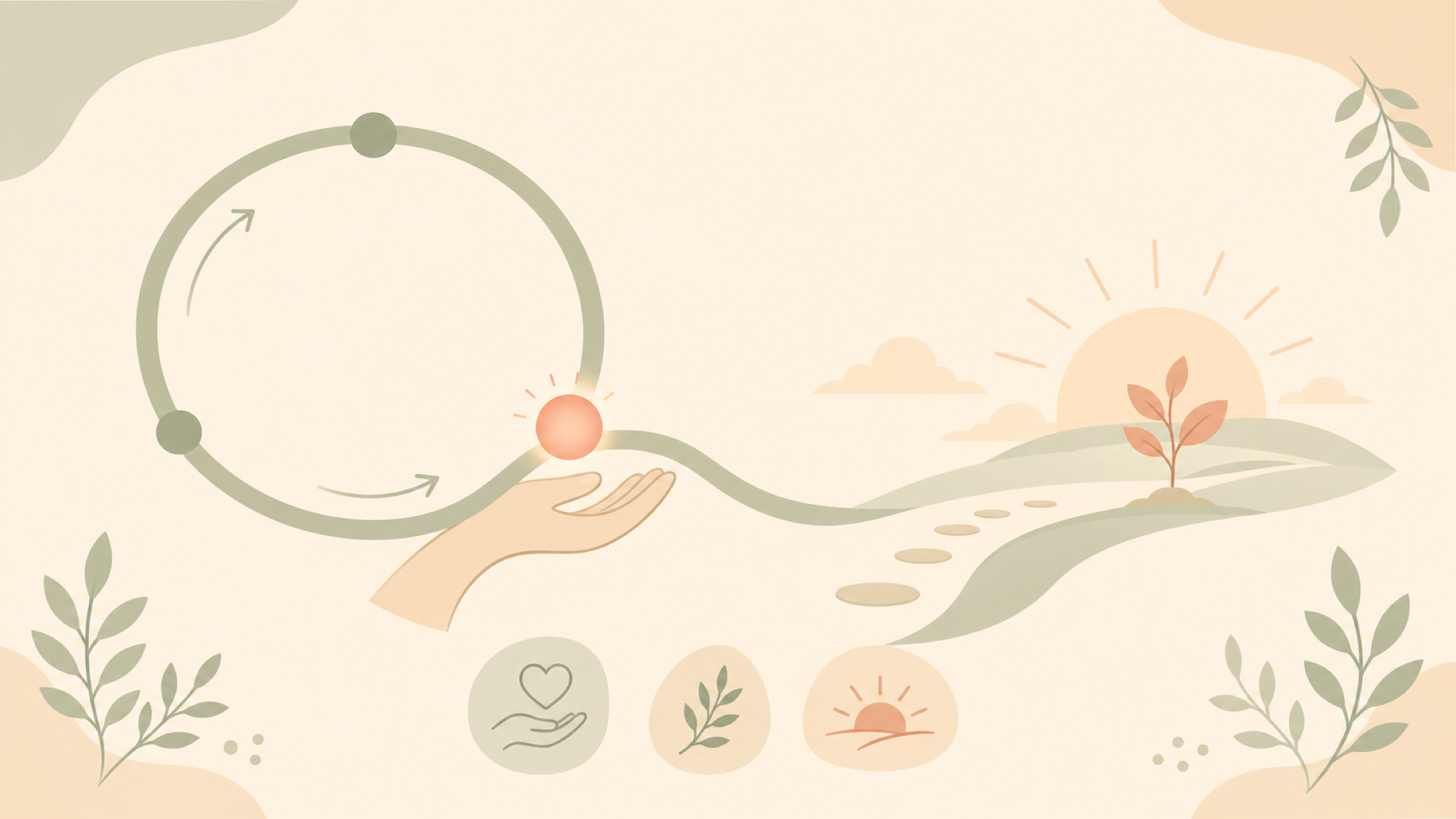
Reach out for professional help when you've tried to stop and can't, when quitting brings physical symptoms, when the habit is tangled up with anxiety or low mood, or any time you feel unsafe. There's no threshold you have to hit first, and earlier support tends to make change easier, not less genuine.
One caution is worth taking seriously. Stopping heavy alcohol or long-term benzodiazepine (anti-anxiety medication) use suddenly can trigger withdrawal that, for those two in particular, can become medically dangerous. Clinicians recommend tapering under medical supervision rather than quitting cold turkey alone, so check with a doctor before you stop.
Two national resources can steer you toward the right kind of help, and they suit different situations:
| Resource | Best for | How to reach |
|---|---|---|
| SAMHSA National Helpline | Finding treatment, support groups, and local services | Call 1-800-662-HELP (4357), free and confidential, 24/7 |
| 988 Suicide & Crisis Lifeline | A mental health, substance, or safety crisis right now | Call, text, or chat 988 |
SAMHSA says its National Helpline is free, confidential, and available in English and Spanish every day of the year, and that it won't ask for your personal information; it simply refers you to local treatment and support. The 988 line, which replaced the older ten-digit suicide prevention number in July 2022, connects you to trained crisis counselors by call, text, or chat. You can find both at SAMHSA's official site and 988lifeline.org.
What treatment and support usually look like
Effective care is rarely one single thing. NIDA emphasizes that no one treatment fits everyone and that the strongest programs treat the whole person — physical health, mental health, and daily life — not only the substance. Common building blocks include:
- Counseling and behavioral therapy, which build skills for handling triggers and rebuilding routines.
- Medication, for some conditions. NIDA notes that medicines such as methadone, buprenorphine, and naltrexone are used to treat opioid addiction, usually alongside counseling, and a clinician decides whether medication fits your situation.
- Mutual-help groups, from 12-step programs like Alcoholics Anonymous and Narcotics Anonymous to secular options such as SMART Recovery.
Staying in treatment long enough matters too. NIDA reports that leaving care too early is one of the most common reasons people return to use, so give any approach a fair, sustained try before you decide it isn't working.
How to protect your progress after a setback
A relapse doesn't erase your progress. NIDA points out that returning to use during recovery is common and doesn't mean treatment failed; it's a sign to adjust or restart care, much like retuning treatment for any chronic condition. Planning for that possibility keeps a single slip from turning into a full return.
Everyday self-care is the quiet backbone underneath all of this. Steady sleep, regular movement, and lower stress make cravings easier to ride out, because feeling run-down or overwhelmed wears down anyone's resolve. Notice your own early warning signs, and keep your support close before a hard day arrives.
Progress in recovery is usually uneven, and that's normal. Line up help before you need it, treat lapses as information rather than proof of failure, and keep that helpline number somewhere easy to find. Reaching out isn't a last resort — it's one of the most effective moves you can make.
This article is for general information and self-care education only. It is not medical advice, diagnosis, or treatment. For questions about your health, talk to a qualified healthcare professional.