What Is Visceral Fat and How to Reduce It
Visceral fat sits deep around your organs and raises health risk. Learn to spot it with a simple waist check and lower it with steady diet and exercise.
Table of contents
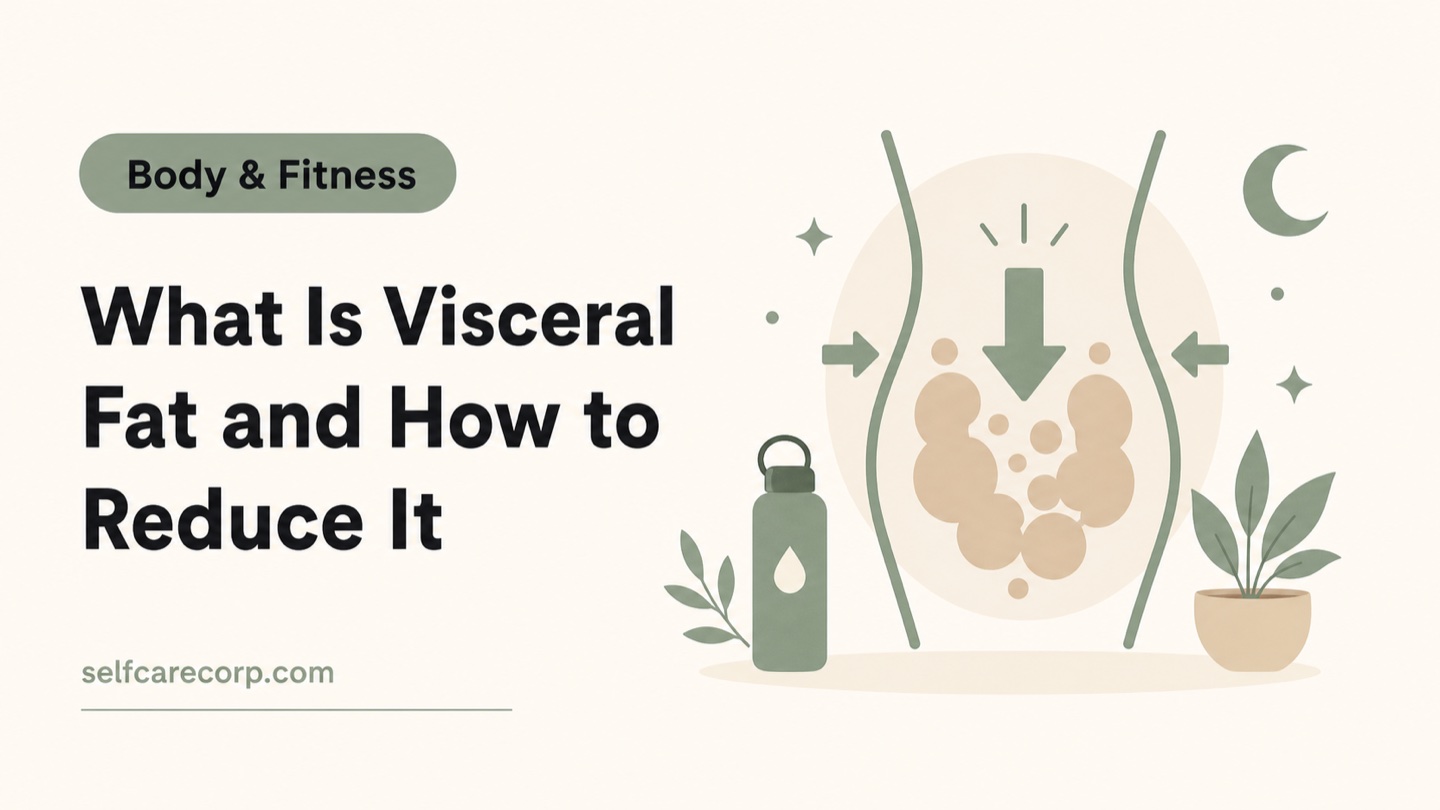
Visceral fat is the fat your body stores deep in the belly, wrapped around organs like the liver and intestines. Unlike the soft fat you can pinch under your skin, you cannot see or feel it, and too much of it raises the risk of problems such as type 2 diabetes and heart disease. The encouraging part is that Harvard Health Publishing notes visceral fat responds to diet and movement more readily than fat on the hips and thighs. This is a plain-language guide for everyday readers, not a replacement for advice from your own doctor if you already live with a health condition.
What visceral fat actually is
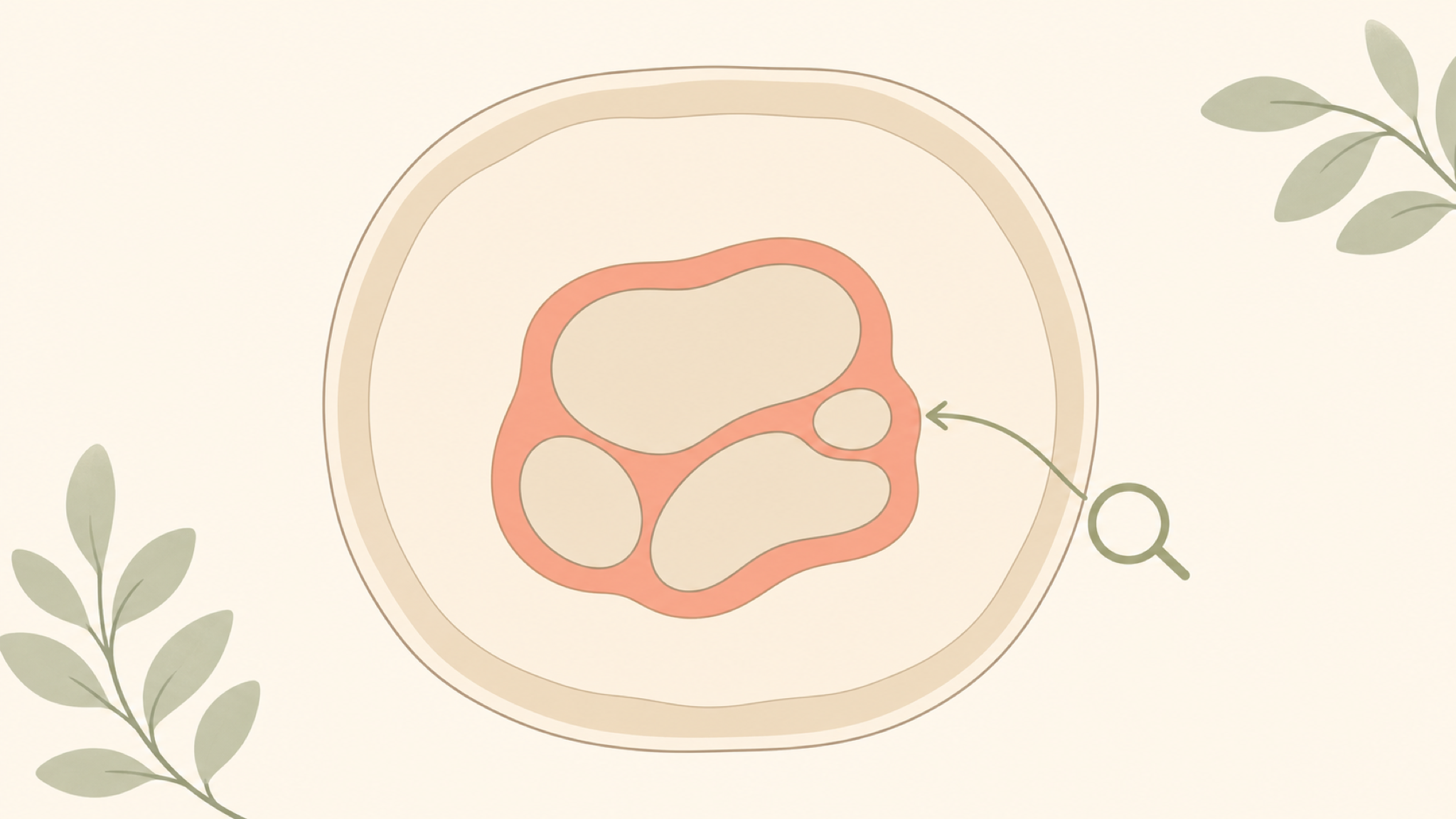
Your body keeps fat in two main places. Subcutaneous fat sits just under the skin, the kind you can pinch. Visceral fat sits deeper, packed around your abdominal organs, so it is possible to look slim and still carry too much. Doctors watch it closely because it behaves less like quiet storage and more like active tissue, releasing hormones and inflammatory substances into the blood. The UK's National Health Service describes this deeper belly fat as more harmful than fat under the skin and links it to a higher risk of type 2 diabetes, heart disease, and some cancers.
How do you know if you have too much?
A tape measure around your waist gives the quickest clue at home. Find the bottom of your ribs and the top of your hips, wrap the tape around your middle at the halfway point, roughly level with your belly button, and breathe out normally before you read the number.
Long-standing clinical guidelines from the US National Institutes of Health flag a waist over 40 inches (about 102 cm) in men and over 35 inches (about 88 cm) in women as a sign of raised risk. A simpler measure works across body sizes: the UK's National Institute for Health and Care Excellence advises keeping your waist to less than half your height, which you can check with the NHS waist-to-height ratio tool. One reading does not diagnose anything, but a waistline creeping up over months is worth acting on.
What actually reduces visceral fat?
Steady whole-body habits do, not crunches. Spot exercises like sit-ups firm the muscles underneath but do not burn the fat around your organs, as Harvard Health Publishing points out. For movement, the Physical Activity Guidelines for Americans, promoted by the CDC, suggest at least 150 minutes of moderate aerobic activity each week, such as brisk walking, plus muscle-strengthening work on two days.
Food carries just as much weight. Harvard Health Publishing has highlighted trials in which calorie-controlled eating lowered visceral fat, and it points to cutting back on sugary drinks and foods high in added sugar. A Mediterranean-style plate of vegetables, whole grains, beans, fish, and olive oil pairs well with regular activity, and Harvard's guide to losing belly fat covers the specifics.
Sleep and stress add to the picture
Diet and exercise do the heavy lifting, but rest and stress matter too. Harvard Health Publishing has pointed to research linking very short sleep with more visceral fat in younger adults, so protecting your sleep helps. Ongoing stress plays a part as well, since the hormone cortisol can push the body to store fat around the middle; when tension feels constant, it is worth learning the signs of high cortisol.
This article is for general information and self-care education only. It is not medical advice, diagnosis, or treatment. For questions about your health, talk to a qualified healthcare professional.