Brain Benefits of Being Bilingual: Focus, Memory, and Aging
Speaking or learning two languages sharpens focus and memory, and research links bilingualism to dementia symptoms appearing about four to five years later.
Table of contents
Speaking two languages gives the brain a steady, low-effort workout. Every time a bilingual person talks, the mind has to choose one language and hold the other back, and that constant juggling appears to sharpen attention, memory, and mental flexibility. Researchers including cognitive scientist Ellen Bialystok have also connected lifelong bilingualism to a later start of dementia symptoms, a delay of roughly four to five years, according to work highlighted by UCLA Health. This piece walks through what those brain benefits actually are and how to reach for some of them even if you are only starting a second language now. It stays on everyday cognitive health rather than medical treatment, and it does not assume you grew up bilingual.
How a bilingual brain sharpens focus and switching
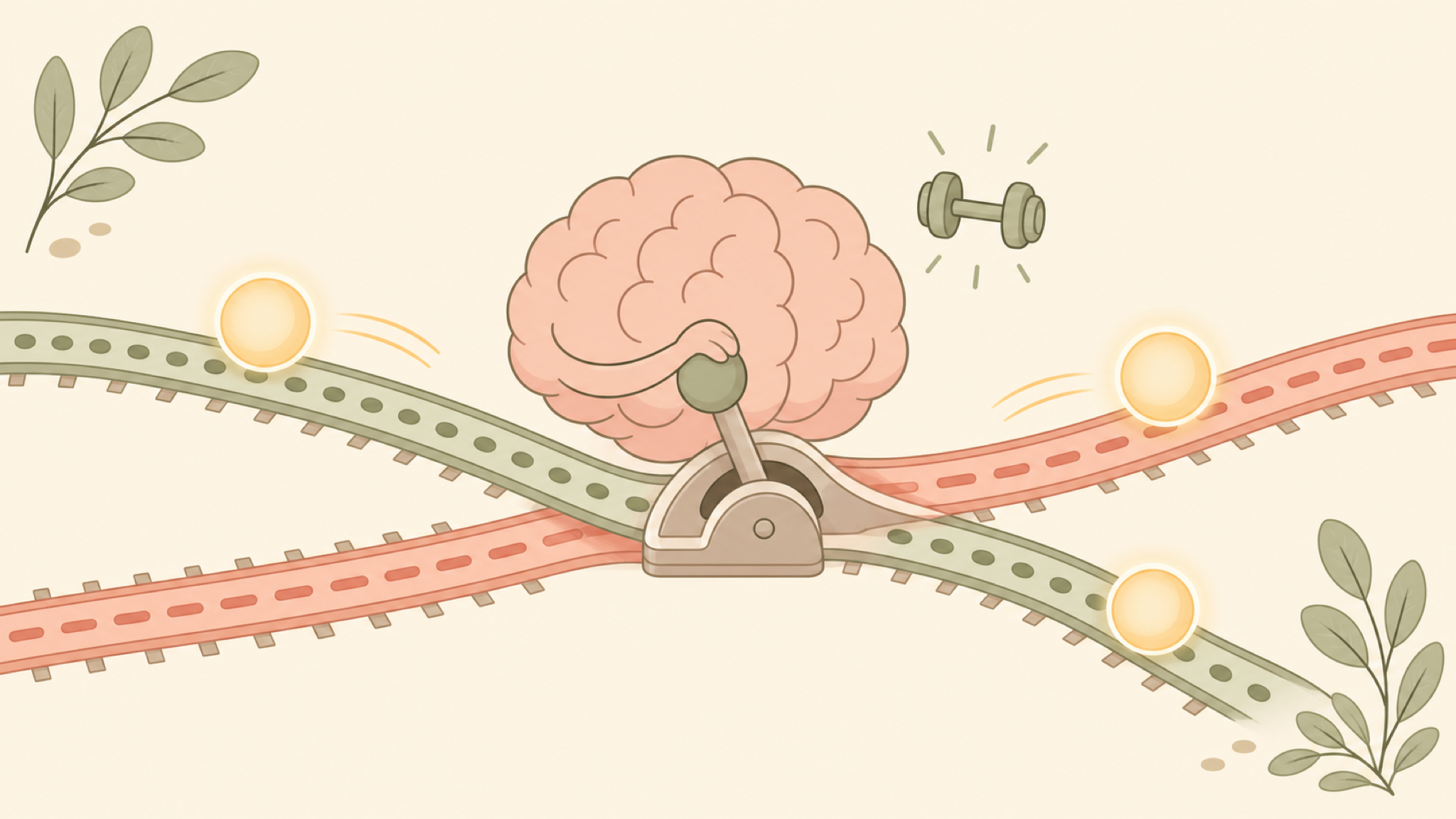
The short version is that the brain gets nonstop practice at focusing and switching. A bilingual mind keeps both languages switched on, so it has to quiet the one you are not using and find the right words the moment you need them. Scientists call this bundle of control skills executive function: the mental toolkit for holding attention, tuning out distractions, keeping information in mind, and moving between tasks. Because bilingual people run these skills all day, many studies find they do slightly better at filtering out noise or changing the rules partway through a task.
Here is the honest part: the size of that edge is genuinely debated. Some studies show a clear bilingual advantage in attention and task-switching, while replication research led by psychologist Kenneth Paap has found little or no difference among highly proficient adults. The point most researchers now share is that how often you actively use both languages matters more than simply knowing two.
How two languages help an aging brain cope
It seems to help the brain cope rather than prevent disease. The mechanism scientists point to is cognitive reserve, a kind of mental buffer that lets the brain keep functioning well even as it changes with age. The thinking is that decades of managing two languages leave the brain with extra, well-worn pathways to fall back on.
This is where the four-to-five-year figure comes from. A systematic review pooling several studies found that bilingual people tend to show dementia symptoms later than monolingual people, yet the same review found no lower risk of developing dementia in the first place. Put simply, bilingualism may buy time before symptoms surface rather than stop the underlying condition. That distinction matters, and it is exactly why none of this should be read as a treatment or a promise.
Do you have to grow up bilingual to benefit?
No. You do not need to be fluent, and you do not need to have started as a child. Studies of adults picking up a new language, including brain-imaging research reported by National Geographic, suggest that even a few months of regular study can shift how the brain works and lift general thinking skills. In that sense the brain treats language learning a lot like the body treats resistance training: repeated effort builds and reinforces connections.
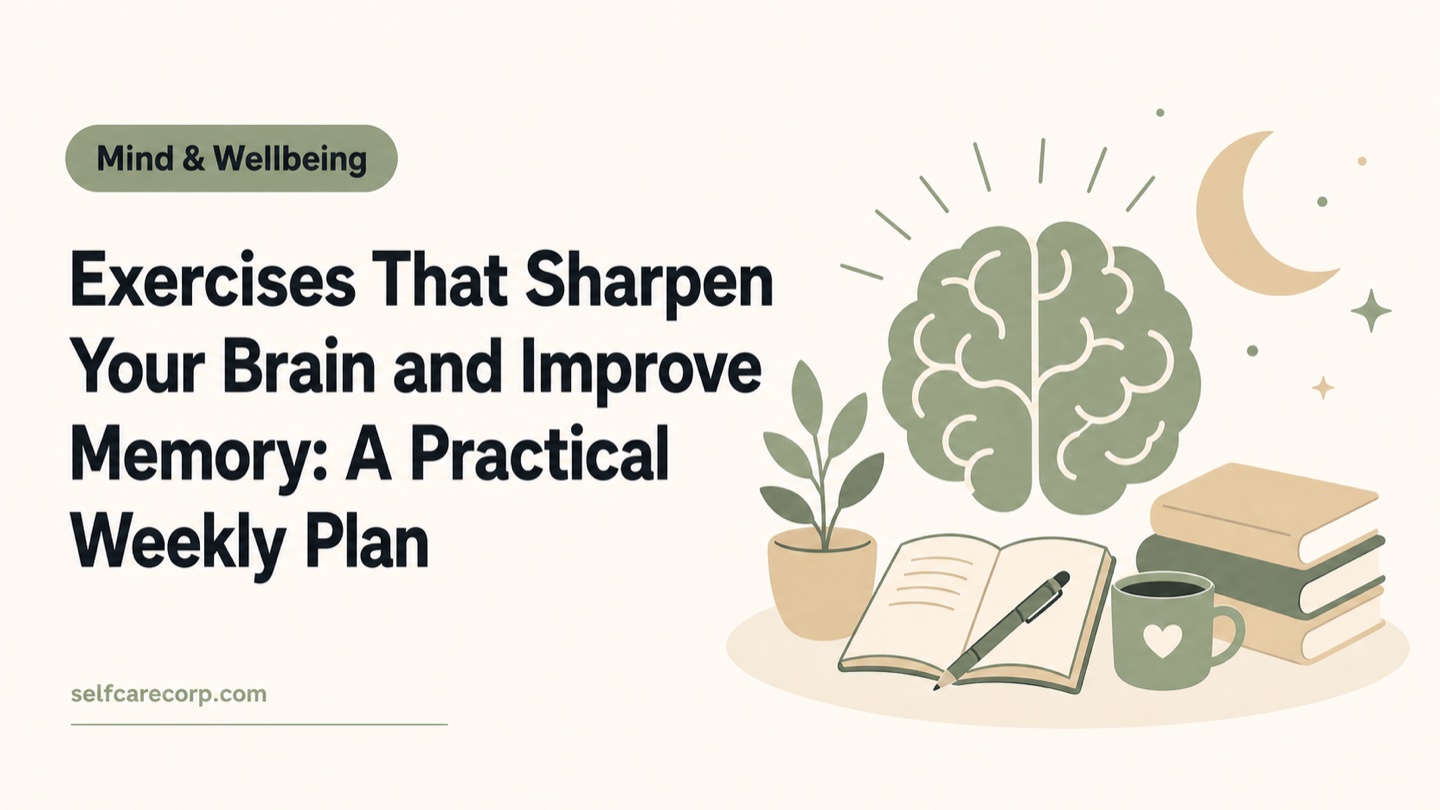
That puts a second language on the same shelf as other gentle brain habits, next to the kind of weekly routine in our guide to brain-sharpening exercises. You can keep it small. Fifteen minutes a day with a language app, switching a familiar show to subtitles in your target language, or naming a few household objects out loud all count. What appears to matter most is using the language often and actively, not racing toward fluency.
This article is for general information and self-care education only. It is not medical advice, diagnosis, or treatment. For questions about your health, talk to a qualified healthcare professional.